What is the Most Common Injury Caused by Unsafe Machinery?

By Pyle Law, Reviewed by E. Thomas Pyle February 09 2024 4:12 pm
CLICK FOR YOUR FREE CONSULTATION

What is the Most Common Injury Caused by Unsafe Machinery?

By Pyle Law, Reviewed by E. Thomas Pyle February 09 2024 4:12 pm
What is the Most Common Injury Caused by Unsafe Machinery?

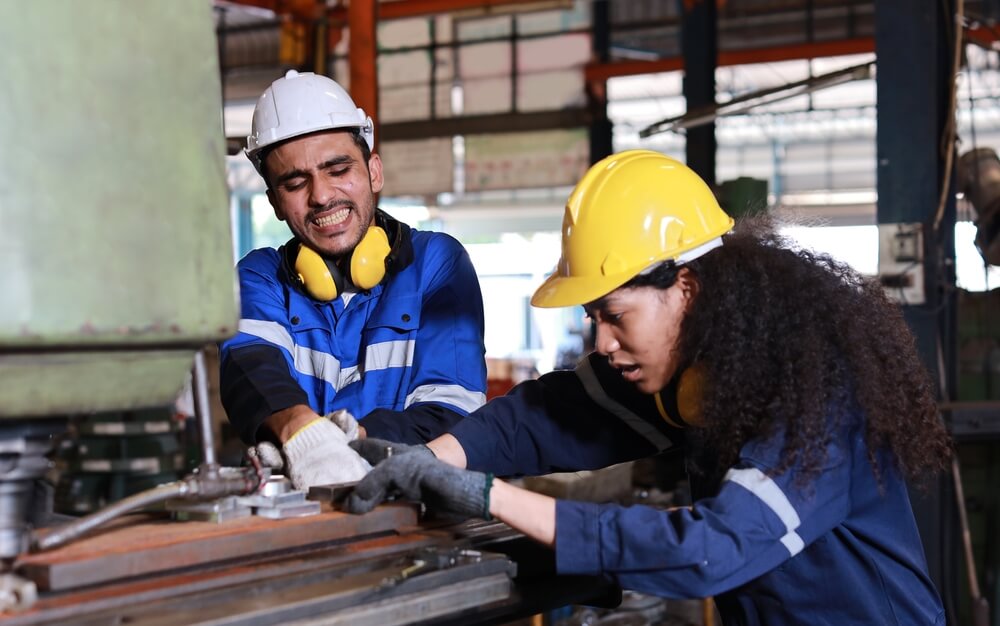
If wondering what is the most common injury caused by working with machines unsafely: cuts or lacerations are the answer. Workers operating a faulty machine are at higher risk of accidents that can cause severe cuts to different body parts. When an unsafe machine causes an injury, you might qualify for compensation. 

However, determining where to get compensation or if someone is at fault is difficult but possible. Consider consulting a Kansas workplace injury attorney if you seek compensation after a workplace injury.

What Counts as Unsafe Machinery?

Unsafe machinery is any mechanical or electric work equipment that risks a worker’s health or life. Several factors may make a machinery unsafe, including:

Improper Maintenance: Most machine injuries happen due to improper machine maintenance by the employer. According to OSHA’s guidelines, poor maintenance that makes machinery unsafe include:

  • Ignoring the manufacturer’s recommendation
  • Failure to replace worn parts
  • Lack of regular inspection
  • Inadequate lubrication
  • Improper storage

Manufacturing Defect: A machine can be unsafe because of manufacturing defects. The defect can occur during the creation, production, or assembly process. A claim against manufacturing defects can be brought against the assemblers, the manufacturer, or the seller.

Design Defect: A machinery has a design defect if its blueprint (rather than the manufacturing process) is faulty. Unlike manufacturing defects, liability for design defects is usually brought against the manufacturer for designing machinery with issues. 

Important information about How Much Compensation for a Hand Injury at Work in Kansas?

Contact a Kansas Personal Injury Attorney Near You

What Is Workers’ Compensation?

Workers’ compensation is a special kind of insurance that helps people who get hurt at work. If you’re injured on the job, workers’ comp can pay for your medical bills and give you some money while you can’t work. 

So, how does it work? 

  • Your employer pays for this insurance
  • If you get hurt at work, you can file a claim
  • You can get money for doctor visits, medicine, and lost wages
  • You don’t have to prove it was your employer’s fault to get help

Workers’ comp is important because it protects both workers and employers. Workers get help if they’re hurt, and employers don’t have to worry about getting sued every time someone gets injured.

Employer Vs. Manufacturer Liability

Sometimes, when you get hurt at work, it’s not clear who’s responsible. It could be your employer’s fault, or it might be because of a faulty machine. 

So, what are the basics? 

Employer Liability

  • Your employer is responsible for keeping your workplace safe.
  • They should train you properly and fix any dangerous conditions.
  • If they don’t do these things and you get hurt, they might be liable.

Manufacturer Liability

The company that made the machine you use at work is responsible for making sure it’s safe.

If a machine is badly designed or has a defect, the manufacturer might be liable if you get hurt.

Let’s say you get hurt using a machine at work. If the machine was working fine but your employer didn’t train you how to use it safely, that’s probably employer liability. But if the machine had a hidden defect that made it dangerous even when used correctly, that could be manufacturer liability.

Sometimes, both the employer and the manufacturer might share responsibility. That’s why it’s important to look carefully at what happens when someone gets hurt at work.

What Factors Can Lead to Machinery-Related Injuries?

Machines can be really helpful at work, but they can also be dangerous if things go wrong. Here are some things that can lead to injuries:

  • Lack of Training: Untrained workers are more likely to get hurt using machines.
  • Poor Maintenance: Neglected machines can break down and cause accidents.
  • Missing Safety Guards: Removed or broken safety parts make injuries likely.
  • Defective Design: Poorly designed machines can be dangerous even when used correctly.
  • Unsafe Work Practices: Shortcuts and ignored safety rules lead to injuries.
  • Fatigue: Tired workers are prone to mistakes that cause accidents.
  • Cluttered Workspaces: Messy areas around machines can cause trips and entanglement.
  • Lack of Personal Protective Equipment: Not wearing safety gear worsens injuries.
  • Distractions: Inattentive workers are more likely to have accidents.
  • Pressure to Work Quickly: Rushed workers may skip safety precautions.

If you do get hurt at work, workers’ compensation should be there to help you. Make sure to report your injury to your employer right away and get medical help if you need it. 

When is Your Employer Liable For Injuries From Unsafe Machinery

Your work injury attorney cannot sue your employer for damages unless the company intentionally removed safety features of machinery. Instead, they can seek workers’ compensation benefits to cover medical expenses and partial wage replacement. You do not have to prove fault or negligence for workers’ compensation claims. 

Contact a Kansas Workers Compensation Attorney Near You

When is The Machine Manufacturer Liable for Unsafe Machine Injuries

If the machine is faulty because of a manufacturing or design defect, it might be beneficial to file a lawsuit against the manufacturer.

In many cases, it’s possible to bring a product liability claim against a manufacturer if they:

  • Installed the machine incorrectly
  • Gave poor operation instructions
  • Built a machine with defective parts
  • Designed machinery with safety flaws

What Are Your Employer’s Responsibilities Regarding Safe Use of Machinery?

Kansas authorities impose regulations on employers to ensure workers’ safety when using machines. Your employer is responsible for:

  • Maintaining and inspecting work equipment
  • Ensuring the equipment has the required safety features 
  • Providing the right type of work machine suitable and safe for the job
  • Offering suitable protective equipment for employees using work equipment
  • Providing proper training and information to any employee using machinery at work
  • Carrying out regular risk assessments and identifying any risks a work equipment poses to employees

Injuries resulting from neglecting these responsibilities might qualify an injured worker for a claim from the employer’s workers’ insurance.

Injured With A Machinery At Work? We Can Help

Faulty machine injuries can take a toll on workers and their families. The injury is usually life-long, requiring constant medical care or job changes.

Consider consulting an attorney from Pyle Law who can help you manage every aspect of your case as you seek the compensation you deserve. Please contact us online to walk you through every step of the way.
Share our post
#

E. THOMAS PYLE

Pyle Law was founded in 1999 with a commitment to fewer clients and better service. We believe that each and every client is important and everyone is entitled to justice and equal protection under our laws. We make every case a priority and are committed to keeping each client informed about the status of their case. We do not guarantee results, but we do guarantee effort.

#

This page has been written, edited, and reviewed by a team of legal writers following our comprehensive editorial guidelines. This page was approved by attorney E. Thomas Pyle who has more than 20 years of legal experience as a practicing personal injury trial attorney.
