I Committed a Hit and Run, How Long Will It Take for Police to Find Me?

By Pyle Law, Reviewed by E. Thomas Pyle February 02 2024 9:22 pm
CLICK FOR YOUR FREE CONSULTATION

I Committed a Hit and Run, How Long Will It Take for Police to Find Me?

By Pyle Law, Reviewed by E. Thomas Pyle February 02 2024 9:22 pm
I Committed a Hit and Run, How Long Will It Take for Police to Find Me?

Key Takeaways

  • No set time exists before police contact after a hit-and-run.
  • Officers must forward accident reports within 10 days of completing investigations.
  • Kansas law requires drivers involved in accidents to remain at the scene.
  • Reporting is required for injury, death, or $1,000 property damage.
  • Injury or death elevates hit-and-run to a felony with up to four years imprisonment.

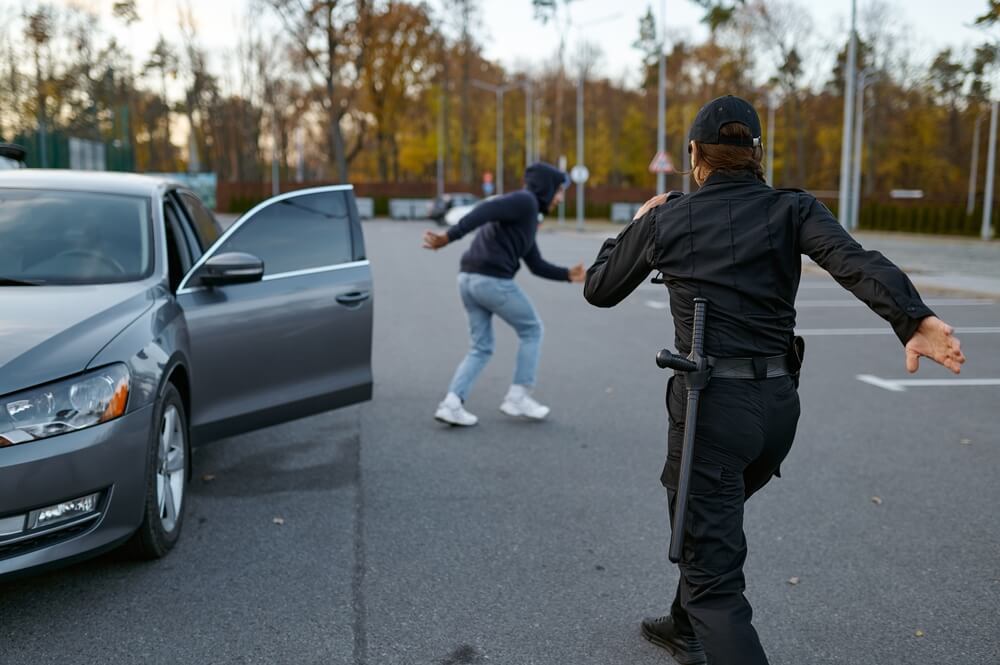
There isn’t a set time before the police contact you after a hit-and-run. Typically, it takes a few hours or days for police to find the one responsible for the incident.

Sometimes, hit-and-runs can go undetected for weeks or even months before police catch the wind of what happened. However, the prevalence of street CCTVs is making it easier than ever for police to track hit-and-run incidences.

If you sustained an injury in a hit-and-run, consider talking to a Kansas car accident attorney to help you get the compensation you deserve.

What Is a Hit-and-Run?

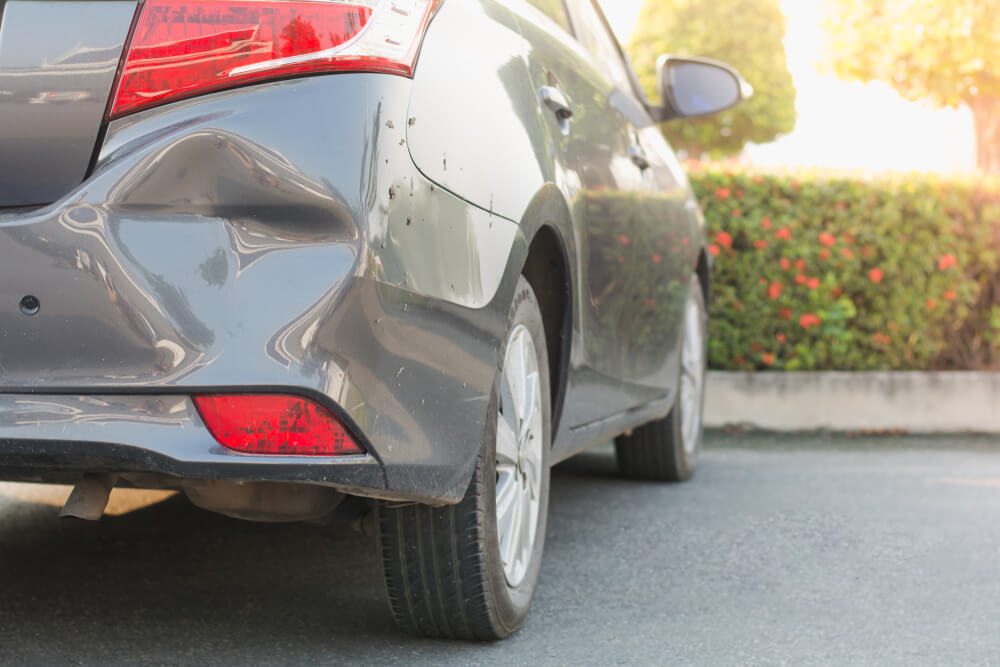
A hit-and-run is an auto accident where a driver hits a person, a piece of property, or another vehicle and then flees without providing their contact, insurance company information, or help to the injured victim.

Typically, hit-and-runs are misdemeanor traffic offenses in Kansas. However, when injuries or death are involved, Kansas law considers it a felony that can attract up to 4 years imprisonment.

Contact a Kansas Personal Injury Attorney Near You

What Should I Do if I’m Involved in a Hit-and-Run in Kansas?

If you’re involved in a hit-and-run, staying informed and taking appropriate actions is crucial. According to Kansas law, drivers involved in an accident must remain at the scene. Here’s what you should do:

Remain Calm and Stay Safe

Do not leave the scene if you are a driver involved in an accident. Instead, move your vehicle to a safer area if it’s causing a traffic hazard, but stay nearby.

Provide Necessary Information

According to Kansas state laws, you must provide information about your name, address, driver’s license, and insurance details to others involved in a crash. Injured parties require that you provide emergency assistance or contact medical services.

Call the Police

Reporting an accident is required if there are injuries, fatalities, or significant property damage (valued at $1,000 or more). Contact the nearest police department to ensure a report is filed.

Document the Scene

Security photos should capture the entire accident site, together with damaged vehicles and recorded injuries. Collect witness statements if possible. Your case requires this essential information to function successfully.

There are serious consequences for breaking the road safety rules, which include strict fines, suspension of the driving license, and imprisonment. After experiencing a hit-and-run accident, always contact local authorities immediately to file a report.

The Process Timeline of a Hit-and-Run Investigation

Many Kansas drivers who leave the scene of a crash find themselves asking the same question: “I committed a hit and run, how long will it take for the police to find me?” The honest answer, one we at Pyle Law hear often, depends on several moving parts, including the type of evidence available, how many people witnessed the crash, and how quickly law enforcement mobilizes.

Under K.S.A. 8-1611, every law enforcement officer who investigates a vehicle accident resulting in injury, death, or property damage of $1,000 or more must forward a written report to the Kansas Department of Transportation within 10 days of completing the investigation. That filing requirement alone sets a structured clock in motion the moment police arrive at the scene.

Contact a Kansas Car Accident Attorney Near You

Initial Police Response

Once a hit-and-run gets reported, officers head to the scene immediately. During those first critical hours, investigators gather witness statements, photograph the area, measure skid marks, and request footage from nearby surveillance cameras or dashcams. Speed plays a major role at this stage.

Officers who arrive quickly tend to capture more intact physical evidence before weather, traffic, or time degrade the scene. Even minor details, like a headlight fragment or a paint transfer on a guardrail, can point investigators toward a specific vehicle make and model within hours. When someone at the scene records a license plate number, officers can sometimes trace a vehicle owner within minutes of opening the case.

Evidence Collection and Analysis

Evidence collection often determines whether a case moves forward or stalls. Officers document everything from tire marks to fluid trails and broken vehicle parts left behind after the collision. Surveillance footage ranks as the single most powerful tool in an investigator’s arsenal. Clear video showing a license plate number can collapse a week-long investigation into a single afternoon. Without high-quality footage, detectives turn to physical debris left at the scene, including shattered mirrors, broken headlight covers, and bumper pieces.

Many of those parts carry manufacturer codes that allow crime labs to match them to a specific vehicle year, make, and model. Eyewitness accounts add another layer of critical context. Statements collected early, before memories fade, often supply details, such as color, body style, or partial plate numbers, that push an investigation forward when camera coverage falls short.

Tracking and Identifying the Suspect

Once investigators build a working profile of the vehicle, they turn to automated license plate reader technology. These systems scan thousands of plates per hour and flag vehicles matching a target description across highway cameras, intersections, and parking facilities. In simpler terms, if a camera anywhere along a suspect’s route captured the vehicle, officers can potentially trace every location where the plate appeared.

In Kansas, where rural stretches separate many communities, urban corridors still carry enough camera infrastructure to make tracking feasible. Detectives also canvass local auto body shops, since drivers with collision damage often seek repairs quickly. A shop owner who notices damage consistent with a recent crash may hand investigators the lead they need to close the case.

Case Resolution

Some cases wrap up within days when the evidence trail runs strong. Others stretch across weeks or even months as investigators follow leads, wait for lab results, or seek additional cooperation from the public.

When no solid leads emerge after an extended period, law enforcement may set the matter aside, particularly in property damage incidents with limited physical evidence. Once officers identify a suspect, the case moves out of the investigation phase and into the court system, where the driver faces criminal charges based on how serious the incident was.

What Circumstances Influence the Duration of a Hit-and-Run Investigation

No two investigations move at the same pace. Several practical factors shape how long Kansas law enforcement needs to build a case.

Evidence and Witnesses’ Testimonies

Strong, consistent witness statements can compress a timeline considerably. When multiple people describe the same vehicle, color, and direction of travel, officers narrow the search quickly.

Conflicting accounts or a complete absence of bystanders forces detectives to rely entirely on physical evidence, which demands more time and resources to process. Cases with no witnesses and no usable footage tend to linger the longest.

Severity of the Accident

Serious injuries and fatalities receive immediate investigative priority. Cases involving hospitalized victims or deaths draw more officers, more forensic personnel, and greater departmental attention from the start.

Minor property-damage incidents, while still prosecutable, move through the system more slowly, since available resources flow toward situations where the human stakes run highest.

Police Department Resources

Larger departments with dedicated traffic investigation units close hit-and-run cases faster than smaller agencies stretched thin across wide rural areas. Access to crime lab services, forensic analysts, and digital evidence technicians directly affects how quickly a case moves from evidence-gathering into formal charges.

In Kansas communities with limited staffing, one investigator handling multiple open cases may take considerably longer to advance any single matter.

#

Trust in my 20+ years of personal injury litigation experience to secure the outcome you deserve. From personal injury, car accidents, workers compensation and more, I handle it all with a commitment to justice. Just like one of our $2M Personal Injury case results, I fight tirelessly to ensure you receive maximum compensation for your injuries. We guarantee the protection of your rights throughout the entire process.

E. THOMAS PYLE

Key Factors That Speed Up Hit-and-Run Investigations

Certain elements, when present, compress investigation timelines dramatically.

  • Use of Digital Evidence: High-resolution surveillance footage or dashcam video stands as the single most influential factor in rapid suspect identification. Clear footage capturing a plate number can bring a case to a close in hours rather than weeks.
  • Physical Evidence and Debris: Broken parts left at the crash scene, including headlight assemblies, mirror casings, and bumper fragments, carry manufacturer identifiers. Labs can use those identifiers to match the debris to a specific vehicle model, giving investigators a concrete starting point even without footage.
  • Severity of the Accident: Crashes resulting in serious injury or death draw substantially more investigative resources. More personnel, faster processing, and greater coordination between agencies all accelerate the path toward identifying a responsible driver.
  • Location of the Incident: Urban crashes benefit from denser camera networks, heavier foot traffic, and more potential witnesses. Rural incidents may yield fewer immediate leads, extending the time before officers develop a workable suspect profile.

Legal Consequences Drivers Face After a Hit-and-Run Accident

Leaving the scene of a crash, commonly known as a “hit-and-run,” is a frequent action following a car accident that carries specific legal consequences in Kansas. The seriousness of the resulting charge is directly tied to the nature of the accident.

What Are The Penalties for Hit-and-Run

Under K.S.A. 8-1604, every driver involved in a crash resulting in injury, death, or property damage must share their name, address, vehicle registration, and license information with those affected, and provide reasonable help to anyone injured. Failing to meet those obligations opens the door to criminal charges. K.S.A. 8-1605 covers situations where a driver damages a parked or unattended vehicle, requiring them to either find the owner or leave a written note with their contact details and report the incident to the nearest police authority. Skipping those steps carries misdemeanor penalties. Leaving the scene is classified as a crime regardless of the circumstances.

When only property damage occurred, drivers typically face misdemeanor charges, which can mean fines, a suspended license, and up to six months in jail. When someone gets hurt or killed, Kansas law elevates the charge to a felony, which carries far steeper fines and the possibility of years behind bars. On top of criminal exposure, a fleeing driver may also face a civil lawsuit brought by the injured victim or the family of someone who did not survive.

Can You Fight a Hit-and-Run Charge?

You can fight a hit-and-run charge with the help of experienced criminal defense attorneys. Your lawyer may deploy different defense strategies.

  • Necessity: Some instances force drivers to flee the accident scene. For example, in high-crime areas, drivers can argue that fleeing was necessary to protect themselves.
  • Lack of damage: If you caused little to no damage in the accident, your lawyer can argue that you did not need to remain on the scene.
  • Duress: If you were threatened or coerced to leave the accident scene, you might argue you were under duress. Therefore, the law shouldn’t hold you accountable for leaving the scene.

Every case is different. The best defense strategy for your situation depends on the unique circumstances of your case.

Discover Your Options From An Experienced Car Accident Attorney in Kansas

Hit-and-run accidents can turn victims’ lives upside down because of serious injuries or wrongful deaths of loved ones. While no amount is ever adequate for compensation for the loss of loved ones or health compromises, victims should seek compensation for all their losses. Consider engaging with injury attorneys like Pyle Law for legal representation to help you receive compensation that will allow you to pick up your life together. Contact us online to schedule a free consultation at 620-241-9000 and build your defense against hit-and-run charges.

Explore More Related Hit and Run Articles

Share our post
#

E. THOMAS PYLE

Pyle Law was founded in 1999 with a commitment to fewer clients and better service. We believe that each and every client is important and everyone is entitled to justice and equal protection under our laws. We make every case a priority and are committed to keeping each client informed about the status of their case. We do not guarantee results, but we do guarantee effort.

#

This page has been written, edited, and reviewed by a team of legal writers following our comprehensive editorial guidelines. This page was approved by attorney E. Thomas Pyle who has more than 20 years of legal experience as a practicing personal injury trial attorney.